Exploring the Process: How Private Label Essential Oil Manufacturing Works
Introduction to Private Label Essential Oil Manufacturing
The world of essential oils has grown exponentially, with numerous brands seeking to carve out their niche in this aromatic landscape. One of the most effective ways to enter the market or expand an existing line is through private label manufacturing. This process allows businesses to sell high-quality essential oils under their brand name without the complexities of production.
What is Private Label Manufacturing?
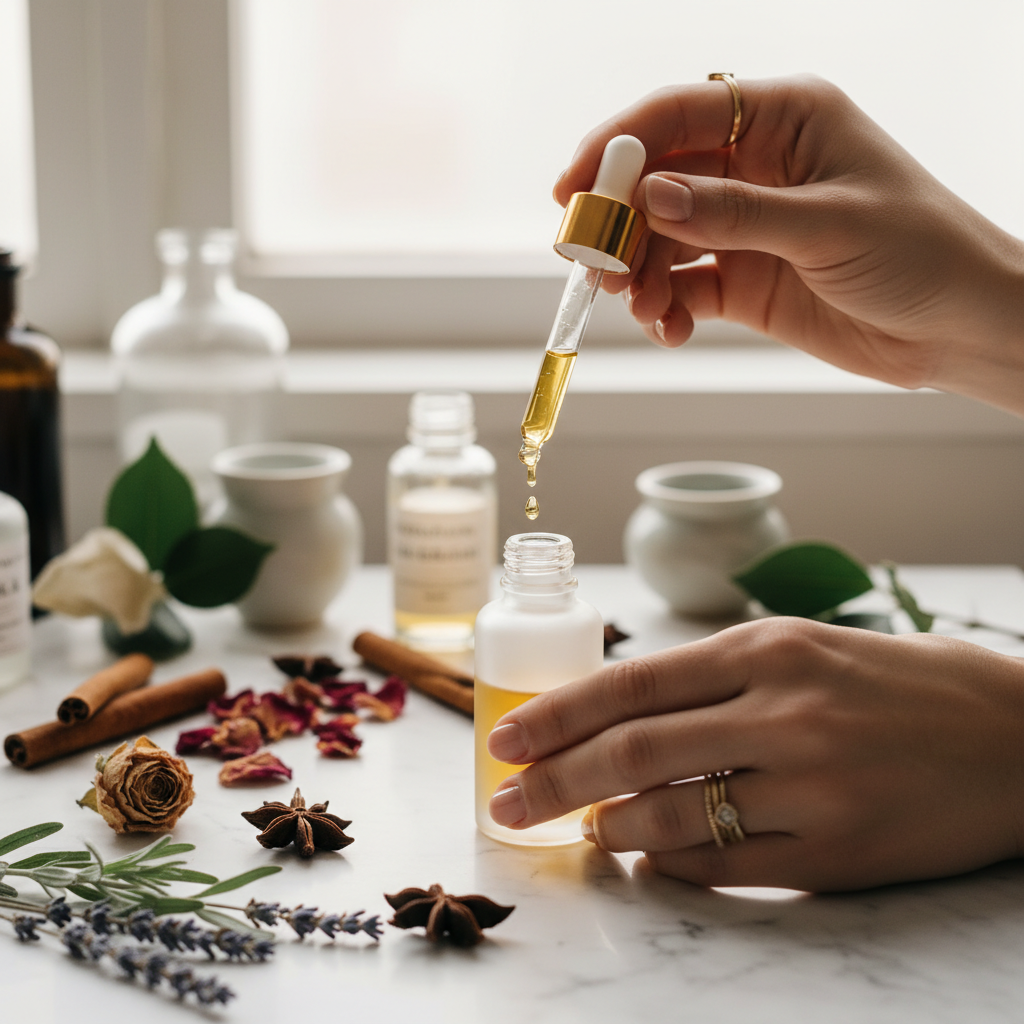
Private label manufacturing involves partnering with a manufacturer who produces goods that a company can sell under its brand. For essential oils, this means you can offer a diverse range of products without the need for your own distillation facilities. This not only saves on costs but also simplifies logistics and inventory management.
The Initial Consultation and Planning
The process begins with an initial consultation where businesses discuss their vision with the manufacturer. This stage is crucial for setting objectives, understanding target markets, and deciding on essential oil types and blends. During this phase, companies can also explore options for packaging and labeling to ensure alignment with their brand identity.

Formulation and Sourcing
Once the planning is complete, the next step is formulation. This involves creating unique blends that meet the desired scent profiles and therapeutic benefits. Manufacturers typically have access to a wide range of natural ingredients, ensuring high-quality oils. Sourcing is another critical aspect, where ethical and sustainable practices are prioritized.
Quality Assurance
Quality is paramount in essential oils, and reputable manufacturers implement rigorous testing to ensure purity and efficacy. This may include gas chromatography and mass spectrometry tests to verify the chemical composition of the oils. Such measures guarantee that the final product meets industry standards and consumer expectations.

Production and Packaging
With formulations approved, production begins. The manufacturing process is meticulously managed to maintain the integrity of the oils. Once produced, the oils are bottled and packaged. Companies can choose from a variety of packaging options, including different bottle sizes, labels, and boxes, to create a cohesive brand presentation.
Regulatory Compliance and Certification
Essential oils must comply with industry regulations and standards. Manufacturers often assist with this, ensuring that all products meet safety and labeling requirements. Additionally, certifications such as organic or cruelty-free can enhance a product's appeal, providing an edge in a competitive market.
Marketing and Launch
With products ready, the focus shifts to marketing and launching the new line. Effective strategies might include online promotions, social media campaigns, and partnerships with influencers. The goal is to create buzz and establish a strong market presence quickly.

Conclusion
Private label essential oil manufacturing offers a streamlined approach for businesses looking to enter or expand in the essential oil market. By partnering with experienced manufacturers, companies can focus on branding and marketing, while relying on experts for production and compliance. This synergy allows businesses to deliver high-quality, unique products to their customers with ease.