Local Insights: The Role of Patchouli Oil in Indonesian Culture and Traditions
Understanding Patchouli Oil
Patchouli oil, known for its rich, musky-sweet fragrance, is a staple in Indonesian culture and traditions. Extracted from the leaves of the patchouli plant, this essential oil plays a significant role in the daily lives and ceremonies of many Indonesian communities.
The oil is not only valued for its fragrance but also for its versatile applications in traditional medicine and cultural rituals. Its deep connection with Indonesian heritage makes it a fascinating subject to explore.
The Historical Significance
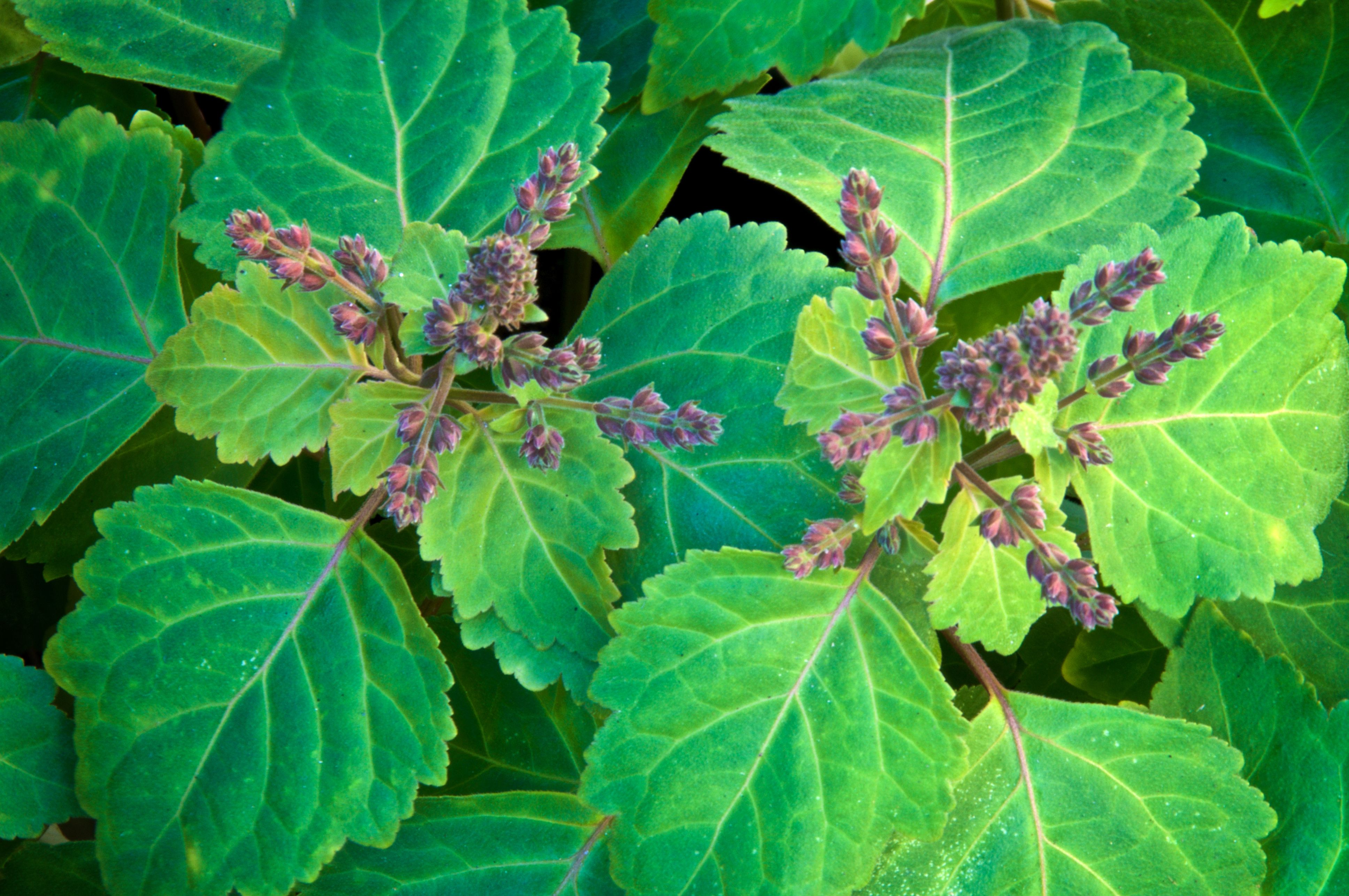
Historically, patchouli oil has been used in Indonesia for centuries. It was initially popularized through trade and has since become an integral part of Indonesian cultural identity. Merchants from the region would trade it along the spice routes, introducing its unique scent to the world.
Its importance is evident in various cultural artifacts and documents that highlight its use in ancient ceremonies and as a treasured commodity in trade exchanges.
Traditional Uses in Medicine
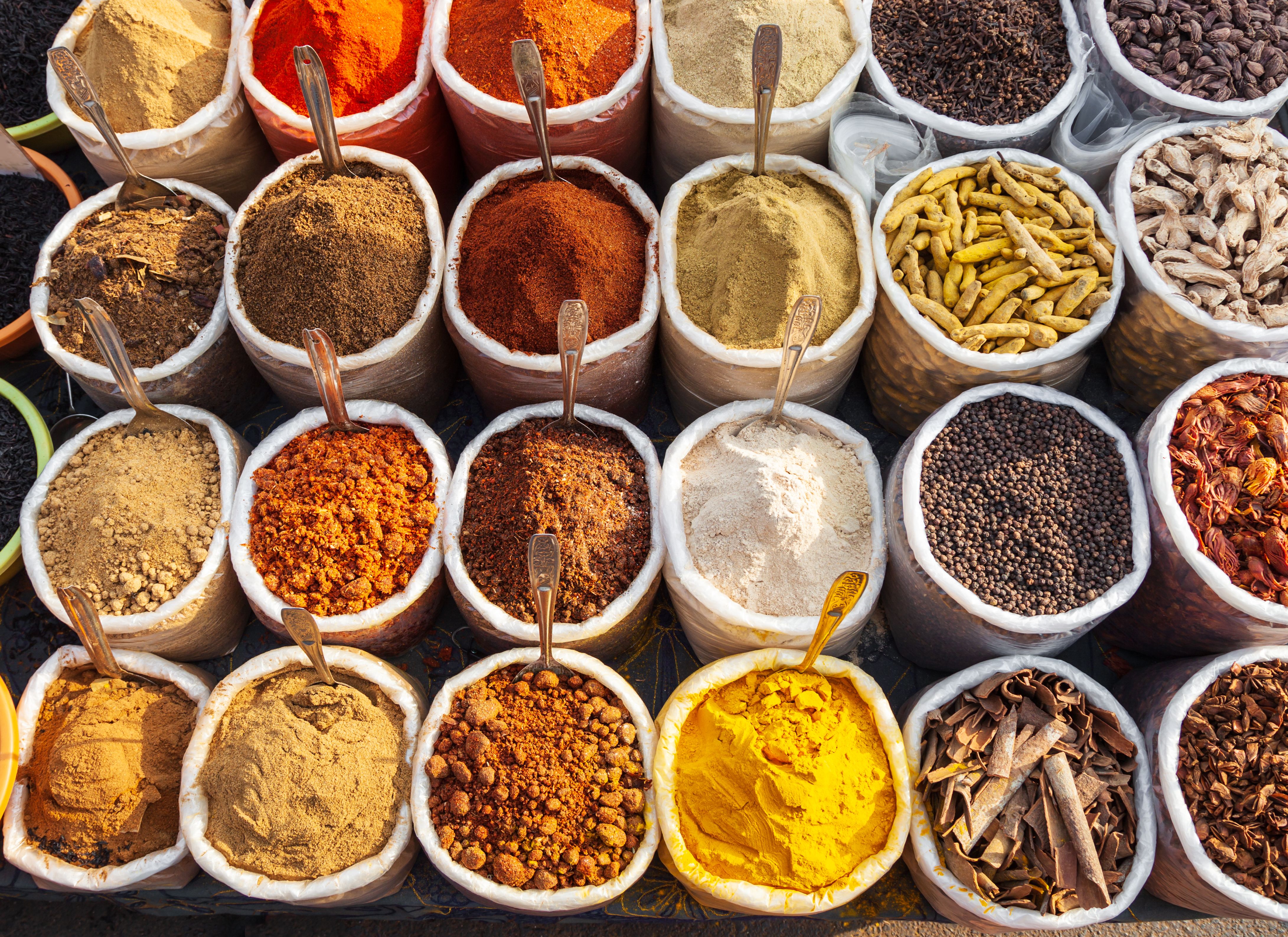
In Indonesian traditional medicine, patchouli oil is highly regarded for its therapeutic properties. It is commonly used to treat skin conditions, reduce inflammation, and as an insect repellent. The oil's antibacterial and antifungal properties make it a valuable natural remedy.
Practitioners of traditional medicine often recommend patchouli oil for its calming effects, which are said to help alleviate stress and anxiety, contributing to overall well-being.
Rituals and Ceremonies
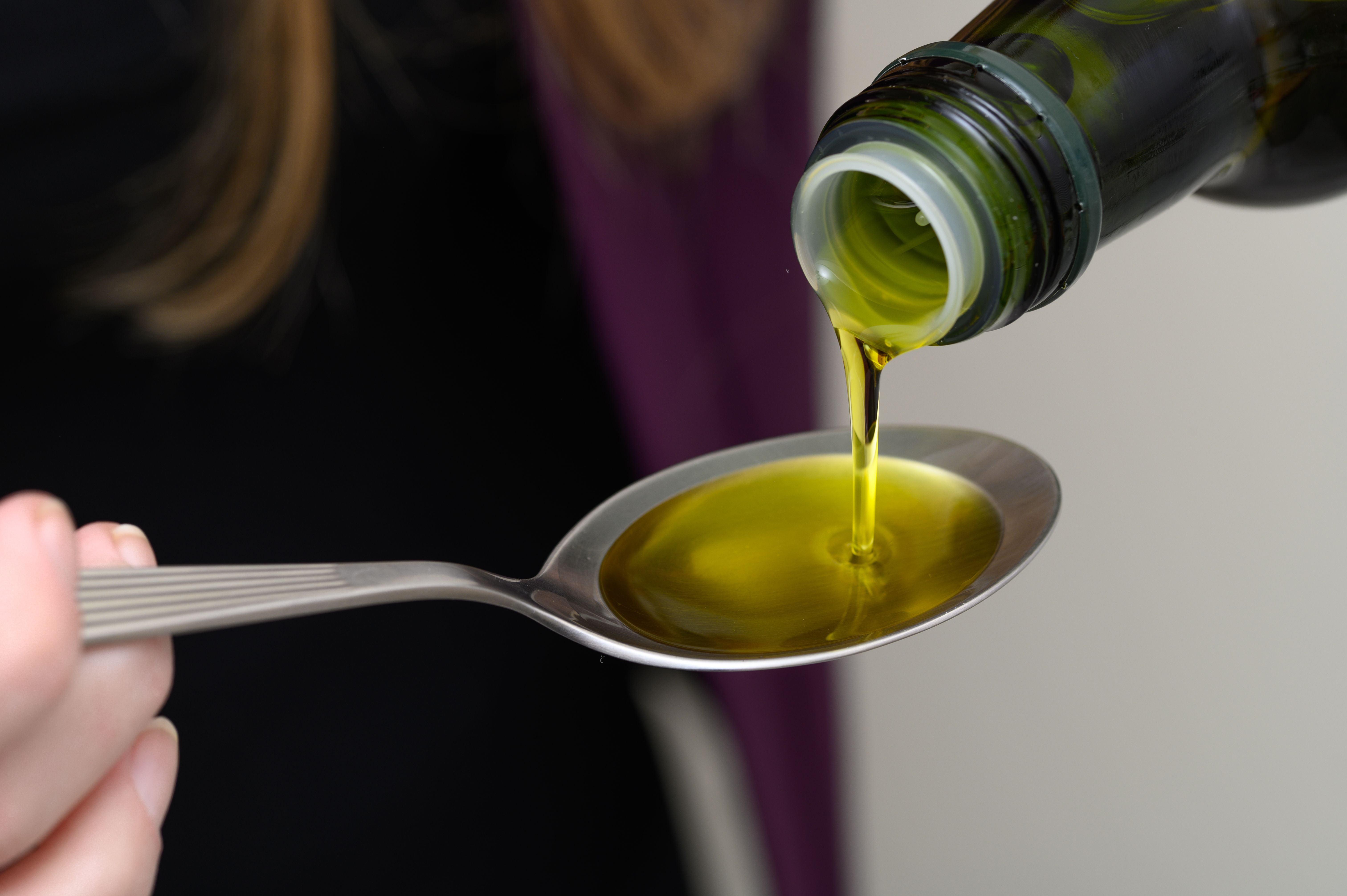
Patchouli oil is also a vital component in numerous Indonesian rituals and ceremonies. It is used to purify spaces, ward off negative energy, and bring about a sense of peace and harmony. The oil's fragrance is believed to connect the physical and spiritual realms, enhancing spiritual practices.
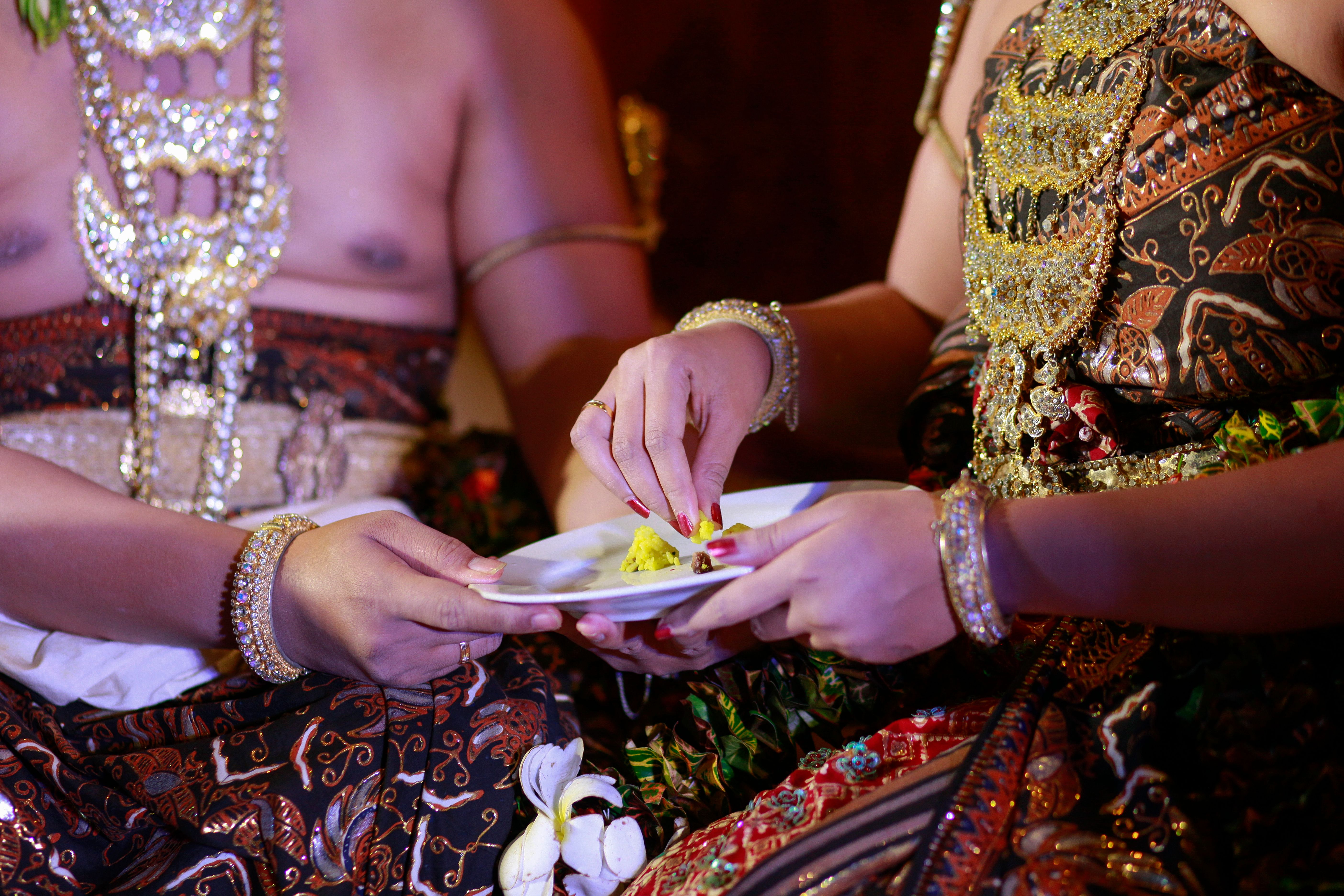
During weddings and other significant life events, patchouli oil is often used to bless and protect participants, symbolizing love, prosperity, and protection.
Modern-Day Applications
Today, patchouli oil continues to hold a prominent place in Indonesia, both culturally and economically. It is a key ingredient in the production of perfumes, cosmetics, and aromatherapy products. The global demand for natural and organic products has further boosted its significance.
Indonesian patchouli oil is renowned for its quality and purity, making it a sought-after export product. This has helped sustain local economies and support traditional farming practices.
Conclusion
Patchouli oil's enduring legacy in Indonesian culture is a testament to its versatility and significance. From ancient trade routes to modern-day applications, it continues to play a pivotal role in the cultural and economic fabric of the region.
Understanding and appreciating the cultural heritage of patchouli oil offers valuable insights into Indonesia's rich traditions and the global movement towards natural products.