Sustainable Patchouli Farming in Aceh: Challenges and Opportunities
Aceh is widely regarded as the global benchmark for high-quality patchouli oil derived from Pogostemon cablin. As international demand for natural fragrance ingredients increases, sustainability in patchouli farming has evolved from a marketing concept into a technical and economic necessity. For global buyers, understanding sustainability in Aceh is directly linked to yield stability, patchoulol consistency, environmental performance, and long-term supply security.
This article provides a deeper technical perspective on how patchouli is cultivated, processed, and stabilized in Aceh—and what improvements are shaping its future.
Agronomic Foundations: Soil, Climate, and Crop Management
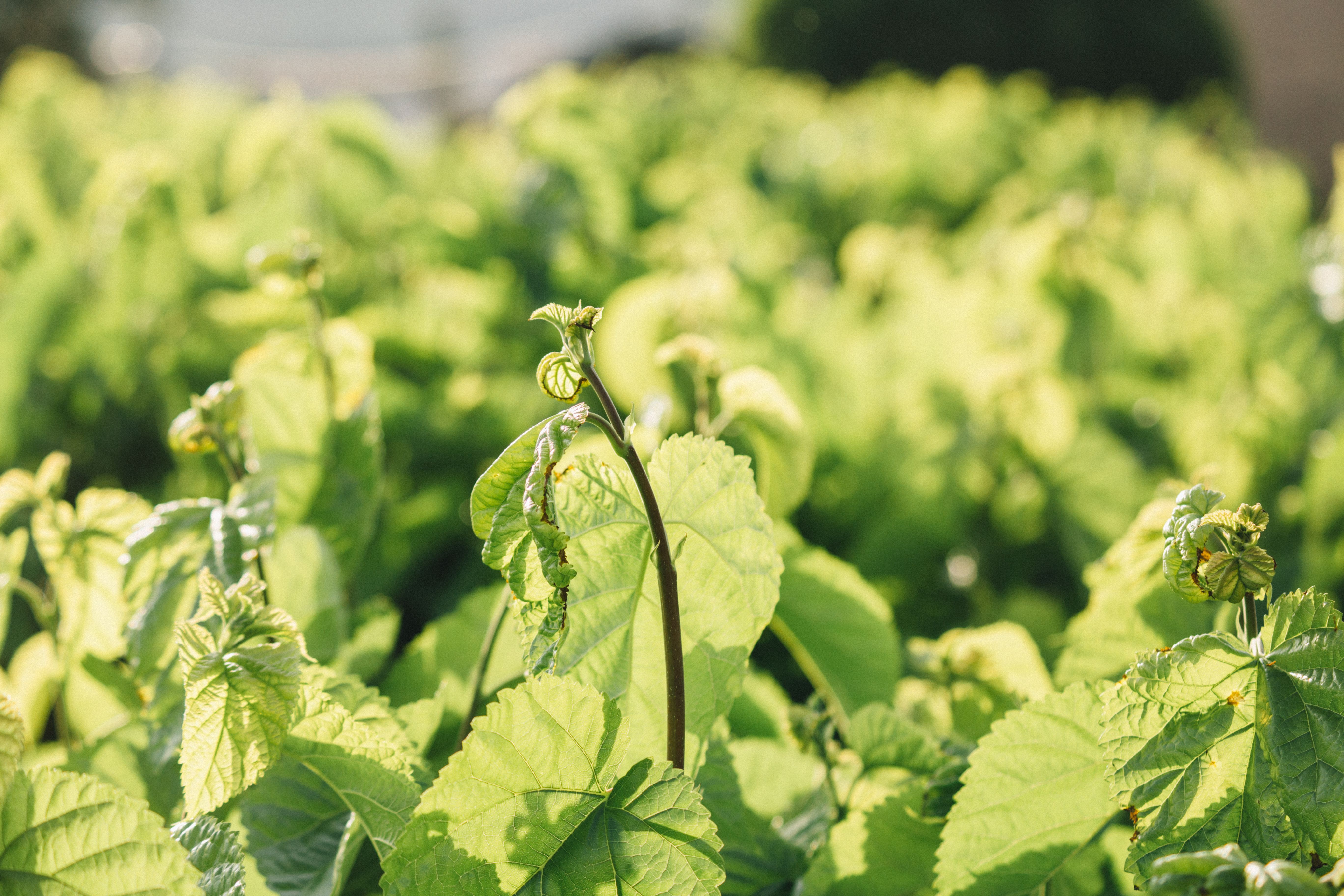
Patchouli thrives in humid tropical conditions with annual rainfall between 2,000–3,000 mm and temperatures ranging from 22–30°C. In Aceh, these climatic conditions naturally support high biomass production. However, sustainability depends heavily on soil management.
Patchouli is a shallow-rooted crop that extracts nutrients primarily from the topsoil layer. Continuous monocropping without soil rehabilitation can reduce organic matter content and gradually decrease leaf biomass and oil yield. In unmanaged systems, productivity may decline after 2–3 cycles.
More sustainable farms implement structured crop rotation, organic compost application, and controlled spacing (typically 60–90 cm between plants) to improve airflow and reduce fungal pressure. These measures not only maintain soil fertility but also contribute to higher essential oil yield per hectare, which commonly ranges between 150–250 kg of oil per hectare annually under well-managed conditions.
Harvest Timing and Oil Yield Optimization
Patchouli is generally harvested 3–4 months after planting, when leaf maturity reaches optimal oil concentration. Studies and field observations show that premature harvesting reduces oil content, while delayed harvesting can increase fiber content and reduce distillation efficiency.

Moisture control is a critical technical parameter. Fresh leaves may contain 70–80% moisture, which must be reduced to approximately 10–15% before distillation. Improper drying—either excessive sun exposure or insufficient ventilation—can degrade volatile compounds and negatively influence patchoulol concentration.
Proper drying infrastructure, including raised racks and shaded airflow systems, improves both oil recovery rate (typically 2–3% of dried biomass) and chemical stability.
Distillation Technology and Chemical Consistency
Steam distillation remains the dominant extraction method in Aceh. Traditional wood-fired units are widely used and can produce acceptable oil quality when properly managed. However, inconsistent steam pressure and temperature fluctuations may influence the final chemical profile.
Patchoulol content, the primary marker of patchouli oil quality, is partially affected by distillation duration and temperature control. Overheating may degrade desirable sesquiterpenes, while insufficient distillation time reduces extraction efficiency.
Modernized systems with improved boiler insulation, stable steam flow, and controlled condensation can increase recovery efficiency and improve batch-to-batch consistency. From a sustainability perspective, higher efficiency also reduces fuel consumption per kilogram of oil produced, lowering environmental impact.
Environmental Pressures and Resource Efficiency
One of the key sustainability challenges in Aceh is balancing production expansion with land preservation. Because patchouli can be cultivated on small plots, it does not typically require large-scale deforestation. However, repeated clearing without soil restoration can reduce long-term viability.

Fuel consumption for distillation is another consideration. Transitioning from inefficient wood combustion toward improved energy management systems can significantly reduce emissions and operating costs. While full industrial modernization may not be realistic for all smallholders, incremental improvements offer measurable environmental gains.
Economic Stability and Supply Volatility
Patchouli is highly sensitive to global price cycles. When international prices rise sharply, planting increases. When prices fall, farmers often shift to alternative crops. This cyclical behavior contributes to irregular supply volumes and price instability.
Sustainable farming therefore extends beyond agronomy into commercial structure. Longer-term purchasing agreements and stable buyer relationships can reduce reactive planting behavior and encourage farmers to maintain consistent cultivation standards.
For international fragrance houses and ingredient manufacturers, supporting structured sourcing models improves both traceability and predictability.

Traceability and Quality Assurance Systems
Modern sustainability expectations now include batch traceability and quality verification. Export-ready patchouli oil increasingly requires documented origin, controlled aging, and laboratory validation such as GC-MS analysis to confirm chemical composition and patchoulol percentage.
Traceable supply chains enable buyers to monitor consistency across production cycles and align sourcing decisions with ESG (Environmental, Social, and Governance) objectives.
In Aceh, progress in this area depends on coordinated efforts between farmers, distillers, collectors, and exporters to document volumes, maintain segregation of batches, and implement basic quality checkpoints before export.
Long-Term Opportunities for Aceh
Aceh possesses a natural competitive advantage: favorable climate, established cultivation knowledge, and a global reputation for high patchoulol content. With gradual technical improvements in soil rehabilitation, drying control, distillation efficiency, and traceability systems, the region can strengthen its leadership in the premium patchouli market.
Sustainable patchouli farming is therefore not about rapid industrial transformation. It is about systematic optimization—raising productivity per hectare, stabilizing chemical profiles, and aligning local practices with international standards.

Sajiva’s Perspective
At Sajiva, we view sustainability as a technical and commercial alignment process. By collaborating with trusted partners in Aceh, prioritizing controlled preparation, and supporting consistent quality verification, we aim to bridge local agricultural realities with global buyer expectations.
Our focus is not only on delivering patchouli oil, but on contributing to a supply chain that remains stable, transparent, and technically reliable for years to come.
Conclusion
Sustainable patchouli farming in Aceh is defined by agronomic discipline, process efficiency, economic stability, and traceable sourcing. Each element contributes to long-term quality and supply security.
For global buyers, supporting sustainability in Aceh is both a responsible choice and a strategic investment in reliable access to one of the world’s most important fragrance ingredients.