
The Importance of Patchoulol Content in Perfumery
Understanding Patchoulol in Perfumery
Patchoulol, an essential component of patchouli oil, plays a crucial role in the world of perfumery. Its earthy, woody aroma is cherished by perfumers for its depth and complexity. But what exactly makes patchoulol so important in creating fragrances?
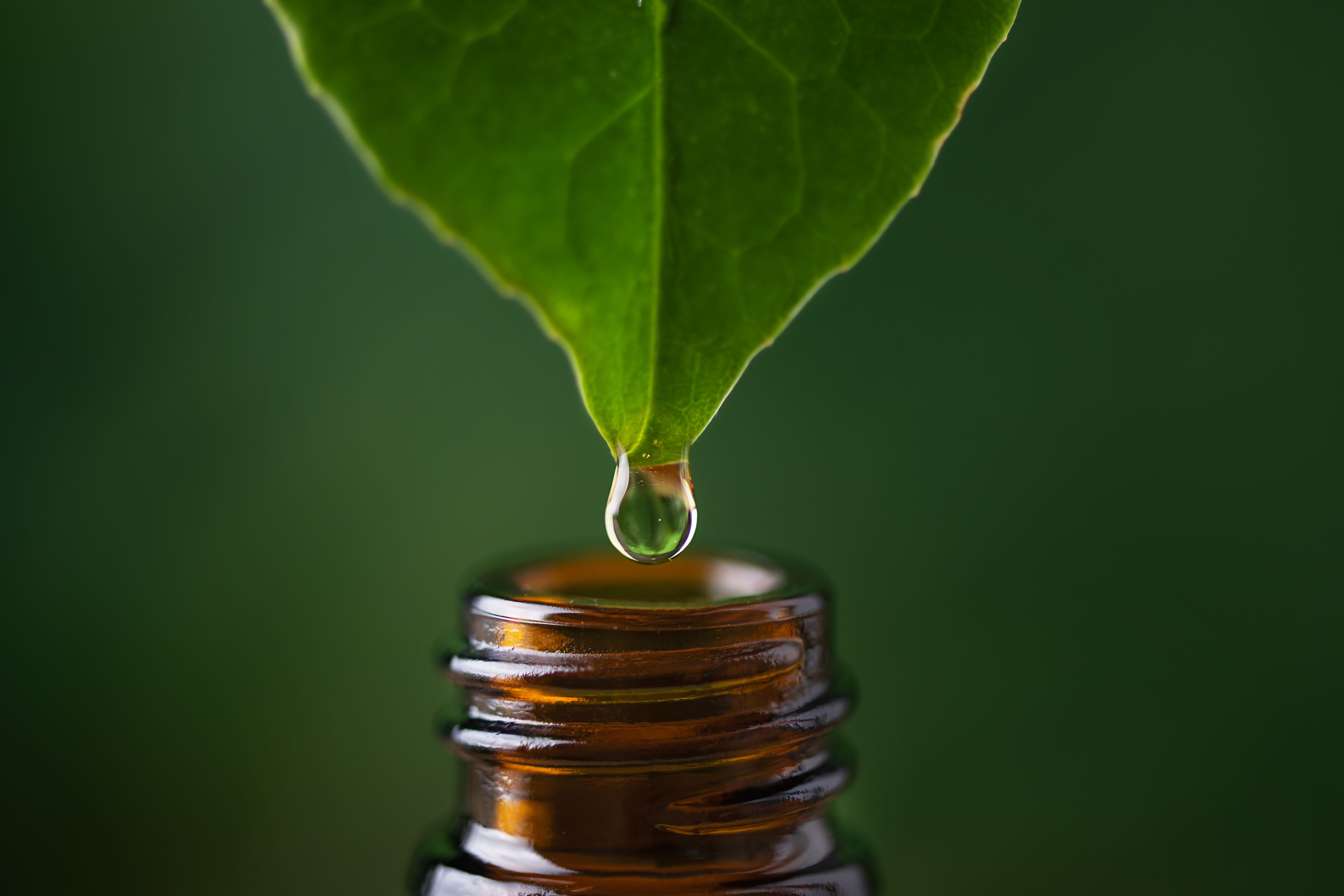
Patchoulol is a sesquiterpene alcohol that contributes to the distinctive scent of patchouli. It is responsible for the oil’s longevity and rich, musky undertones, which lend sophistication to many perfumes. This compound is particularly valued for its fixative properties, helping to stabilize and extend the life of fragrances.
Why Perfumers Care About Patchoulol
In perfumery, consistency is just as important as creativity. A formula that smells beautiful today should smell the same next year and the year after.
Patchoulol plays a key role in this stability. Oils with higher and well-balanced patchoulol content tend to blend more smoothly with other ingredients such as florals, woods, resins, and musks. They also help slow down evaporation, allowing the fragrance to develop gradually instead of disappearing too quickly.
This is why many fragrance houses quietly set minimum patchoulol standards when sourcing patchouli oil. It reduces surprises during production and helps protect the identity of their scents.

Patchoulol in Modern Perfumery
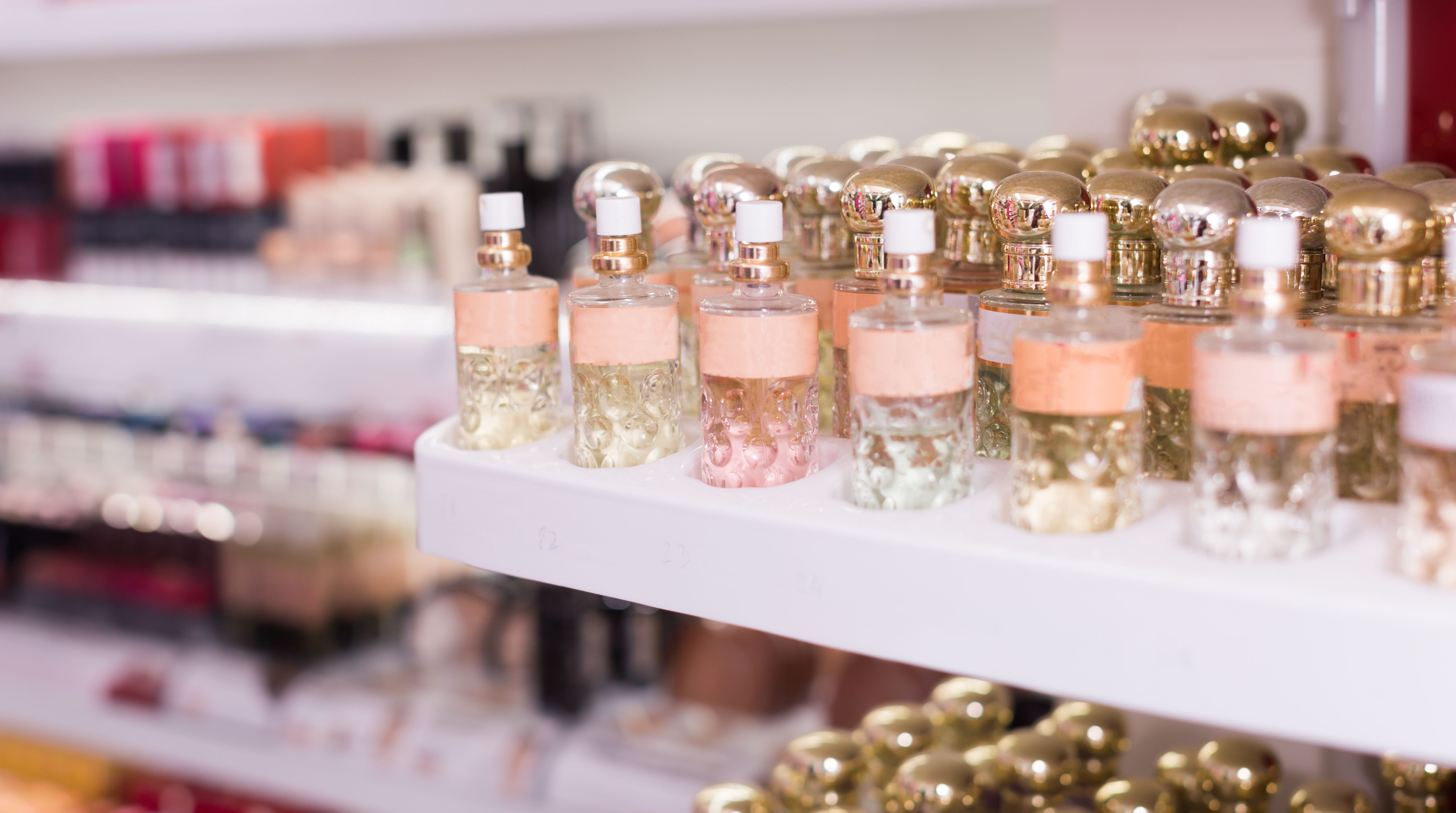
In contemporary perfumery, patchoulol continues to be a staple ingredient. Its ability to mesh with modern synthetic compounds has expanded its use beyond traditional applications. Perfume houses are now experimenting with patchoulol in innovative ways, crafting unique scented experiences that captivate the senses.
As sustainability becomes a key concern in the industry, many brands are focusing on ethically sourced patchoulol. This not only ensures the protection of natural resources but also maintains the quality and purity of the oil.
What Levels Are Considered Good?
In the global market, patchoulol levels vary widely depending on origin, farming practices, distillation, and aging.
Lower-grade oils often contain less than 26 percent patchoulol and may feel rough or unbalanced in perfume. Commercial-grade oils usually fall in the high twenties and are suitable for functional applications. Premium perfumery-grade oils typically exceed 30 percent and are valued for their smoothness and lasting power.
Aceh patchouli oil from Indonesia has built its reputation largely because it naturally reaches these higher levels when properly processed and matured.
How Buyers Know the Patchoulol Content
Patchoulol cannot be judged accurately by smell alone. Professional suppliers measure it using laboratory analysis known as GC-MS.
This test separates and identifies the natural components inside the oil and shows the percentage of patchoulol present. For buyers, this report acts like a quality fingerprint for each batch.
A trustworthy exporter will always be willing to share recent test results and explain them clearly.
More Than Just a Number
While patchoulol content is important, experienced perfumers know it is not the whole story.
Two oils with the same patchoulol percentage can still behave very differently in a formula. Climate, soil, drying methods, distillation temperature, and storage conditions all influence the final aroma.
This is why serious buyers evaluate both the laboratory data and the scent itself before making a decision.
Sajiva’s Perspective
At Sajiva, we treat patchoulol content as a guide rather than a marketing number.
We focus on selecting well-grown Aceh patchouli, allowing it to mature properly, and verifying quality through batch testing. The goal is simple: to provide oil that performs predictably in real formulations, not just on paper.
By combining technical verification with sensory evaluation, we help our buyers avoid unpleasant surprises and build fragrances with confidence.
Final Thoughts
Patchoulol may be invisible to the eye, but its impact on perfume is unmistakable. It shapes how patchouli smells, how long it lasts, and how reliably it behaves in complex blends.
For perfumers and professional buyers, understanding patchoulol content is less about chemistry and more about control, consistency, and quality.
When these elements come together, patchouli oil becomes more than a raw material—it becomes a foundation for memorable fragrances.