Top Global Markets for Patchouli Oil in 2025 and Beyond
The Rising Demand for Patchouli Oil
Patchouli oil has always traveled far from where it is grown. From small farms in Aceh, Indonesia, its scent quietly finds its way into perfumes worn in Paris, skincare products sold in New York, and lifestyle brands across Asia. In 2025 and beyond, this journey continues—but the destinations, expectations, and buying behaviors are evolving.
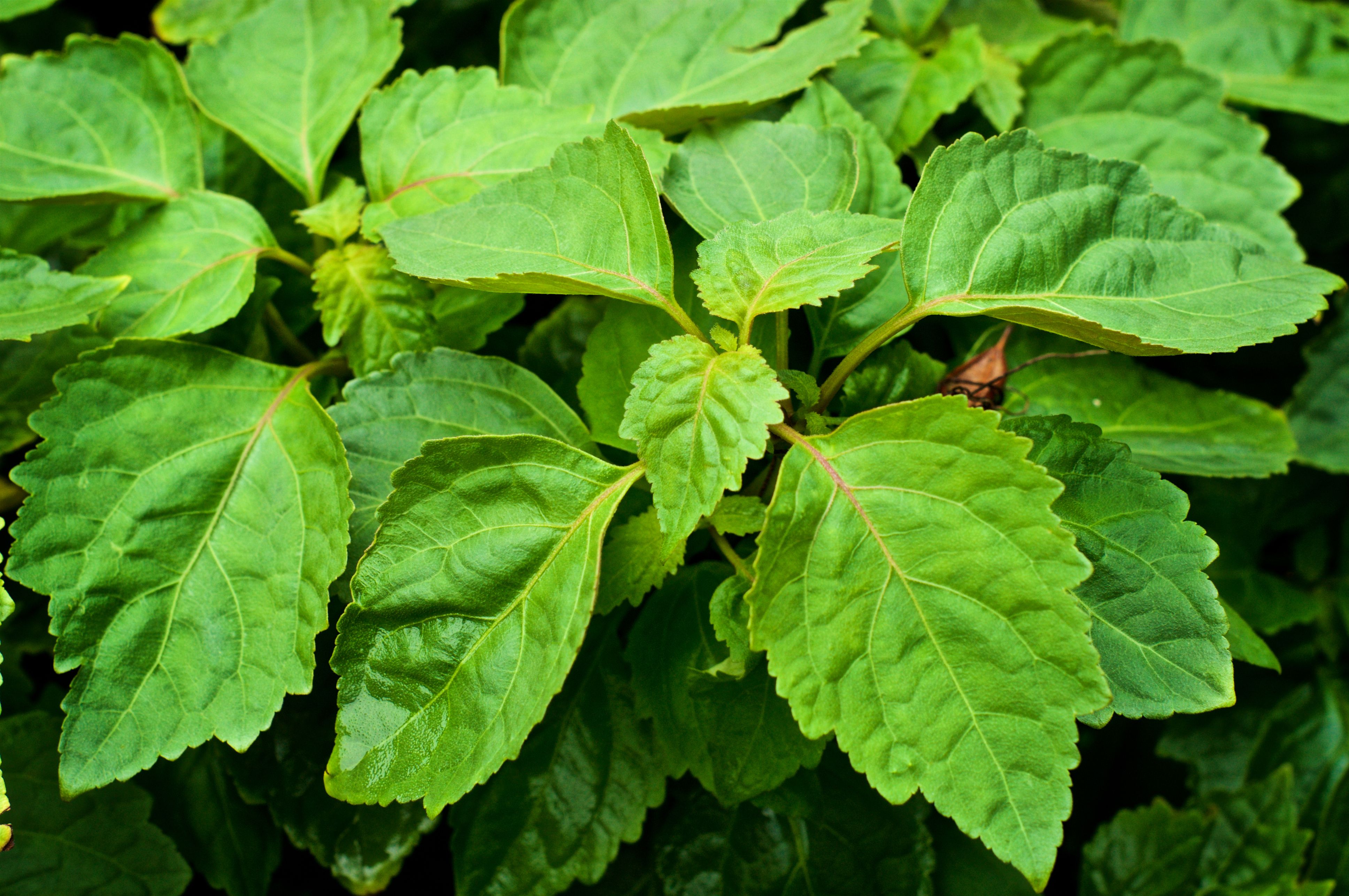
Understanding where patchouli oil is heading globally helps buyers, traders, and brands make smarter sourcing decisions. Rather than looking only at volume, today’s market is shaped by storytelling, consistency, and how well a material fits into modern fragrance trends.
Europe: where patchouli becomes perfume
For decades, Europe has been the heart of fine perfumery, and patchouli plays a quiet but essential role there. In countries like France, Germany, and the Netherlands, patchouli is rarely the star of the fragrance—but it is often the backbone.
European buyers tend to look beyond price. They care about aroma balance, batch consistency, and whether the oil will behave predictably in a formula. In the coming years, demand from Europe is expected to remain strong, especially for refined and well-documented Aceh patchouli oil that meets strict quality and sustainability expectations.
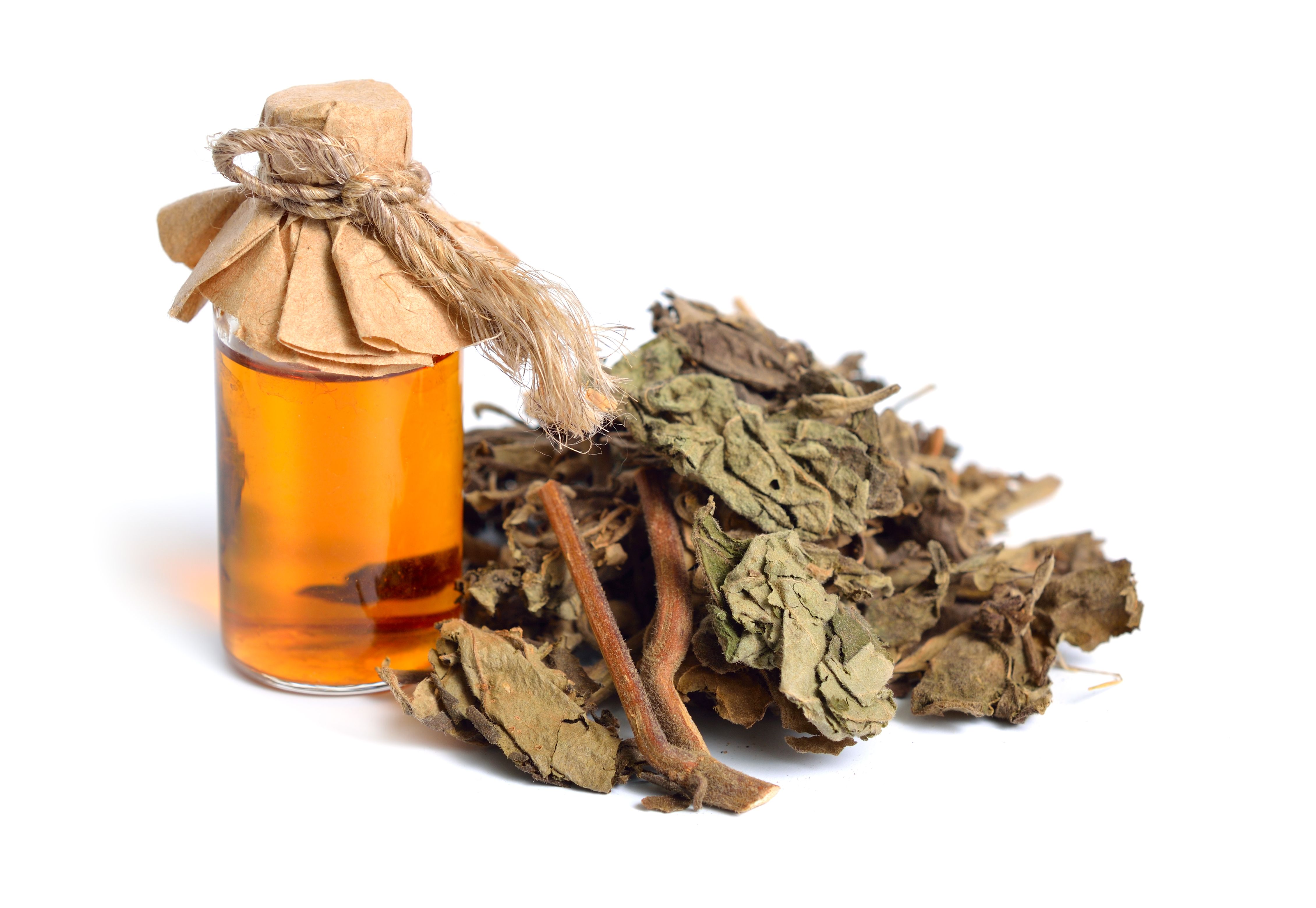
North America: the rise of natural and indie brands
In the United States and Canada, patchouli has taken on a slightly different role. Alongside established fragrance houses, a growing number of independent perfumers and natural personal care brands are driving demand.
These buyers are drawn to patchouli not only for its performance, but also for its story. Origin, ethical sourcing, and transparency matter. Aceh patchouli fits naturally into this narrative, making North America a steadily growing market for well-positioned suppliers.
India and Southeast Asia: fast-moving regional demand
Closer to Indonesia, markets such as India, Singapore, and parts of Southeast Asia continue to absorb significant volumes of patchouli oil. Some buyers use it directly in fragrance and personal care products, while others act as traders or processors serving wider regions.
These markets often move quickly and are more flexible in terms of grade and application. While pricing remains an important factor, reliability of supply and long-term relationships are becoming just as important.

East Asia: precision and premium potential
Japan and China represent a different kind of opportunity. In these markets, patchouli is used selectively, often in cosmetics and refined fragrance concepts rather than bold, heavy scents.
Buyers here tend to be detail-oriented, expecting clear specifications and stable quality. As consumer interest in premium cosmetics and niche fragrances grows, East Asia is likely to play a larger role in shaping demand for higher-quality patchouli oils.
Emerging and niche markets
Beyond the major regions, patchouli continues to find new uses in Latin America, the Middle East, and parts of Eastern Europe. These markets are smaller in volume but diverse in application, ranging from traditional products to local fragrance styles.
For exporters, these regions often represent long-term opportunities rather than immediate scale.

What’s shaping the market after 2025?
Several trends are influencing how patchouli oil moves globally. Natural ingredients continue to gain favor in both perfumery and personal care. Fragrances are becoming richer and longer-lasting, increasing the importance of high-performing base materials. At the same time, buyers are paying closer attention to traceability and responsible sourcing.
On the supply side, fluctuations in harvest volume and quality in Indonesia mean that consistent sourcing will matter more than ever.
Closing thoughts
Patchouli oil will remain a global ingredient, quietly connecting Aceh to creative industries around the world. In 2025 and beyond, success in this market will depend less on chasing volume and more on understanding where your product truly belongs.
For buyers and brands alike, knowing the story behind the oil—and the market it is headed for—makes all the difference.