Understanding GC-MS Reports for Patchouli Oil: A Buyer’s Guide
Understanding GC-MS Analysis
For professional buyers of patchouli oil, a GC-MS report is more than just a laboratory document. It is a technical fingerprint of the oil—revealing its composition, authenticity, and overall quality.
Yet many buyers receive GC-MS reports without fully understanding how to interpret them. Numbers, peak charts, and chemical names can look complex at first glance. This guide explains GC-MS analysis in clear and practical terms, helping you make more confident sourcing decisions.

What is GC-MS?
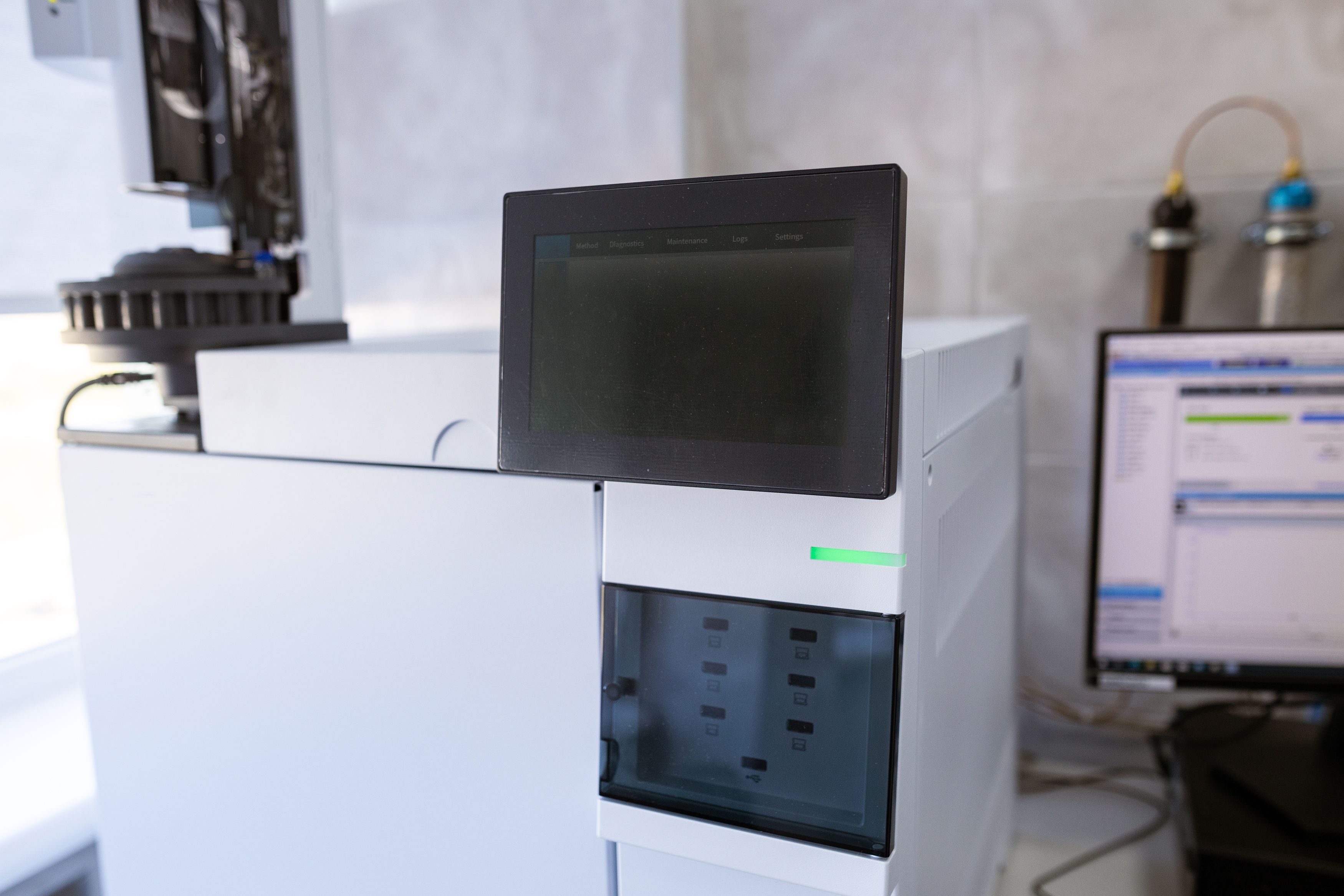
GC-MS stands for Gas Chromatography–Mass Spectrometry. It is a laboratory analytical method used to separate, identify, and measure the chemical components inside essential oils.
In simple terms, GC separates the oil into its individual compounds, while MS identifies each compound based on its molecular structure. The result is a detailed breakdown of the oil’s composition expressed in percentage values.
For patchouli oil, this analysis is essential because quality is directly linked to its chemical profile.
Why GC-MS Matters in Patchouli Oil
Patchouli oil contains dozens of natural compounds, primarily sesquiterpenes and sesquiterpene alcohols. Among them, patchoulol is the most important quality indicator for perfumery applications.
A GC-MS report helps buyers confirm:
- The percentage of patchoulol
- The presence of key supporting compounds
- The absence of synthetic additives or adulterants
- Overall consistency with expected Aceh patchouli profiles
Without GC-MS verification, buyers rely only on aroma evaluation, which can be subjective and insufficient for industrial applications.
Understanding Patchoulol Percentage
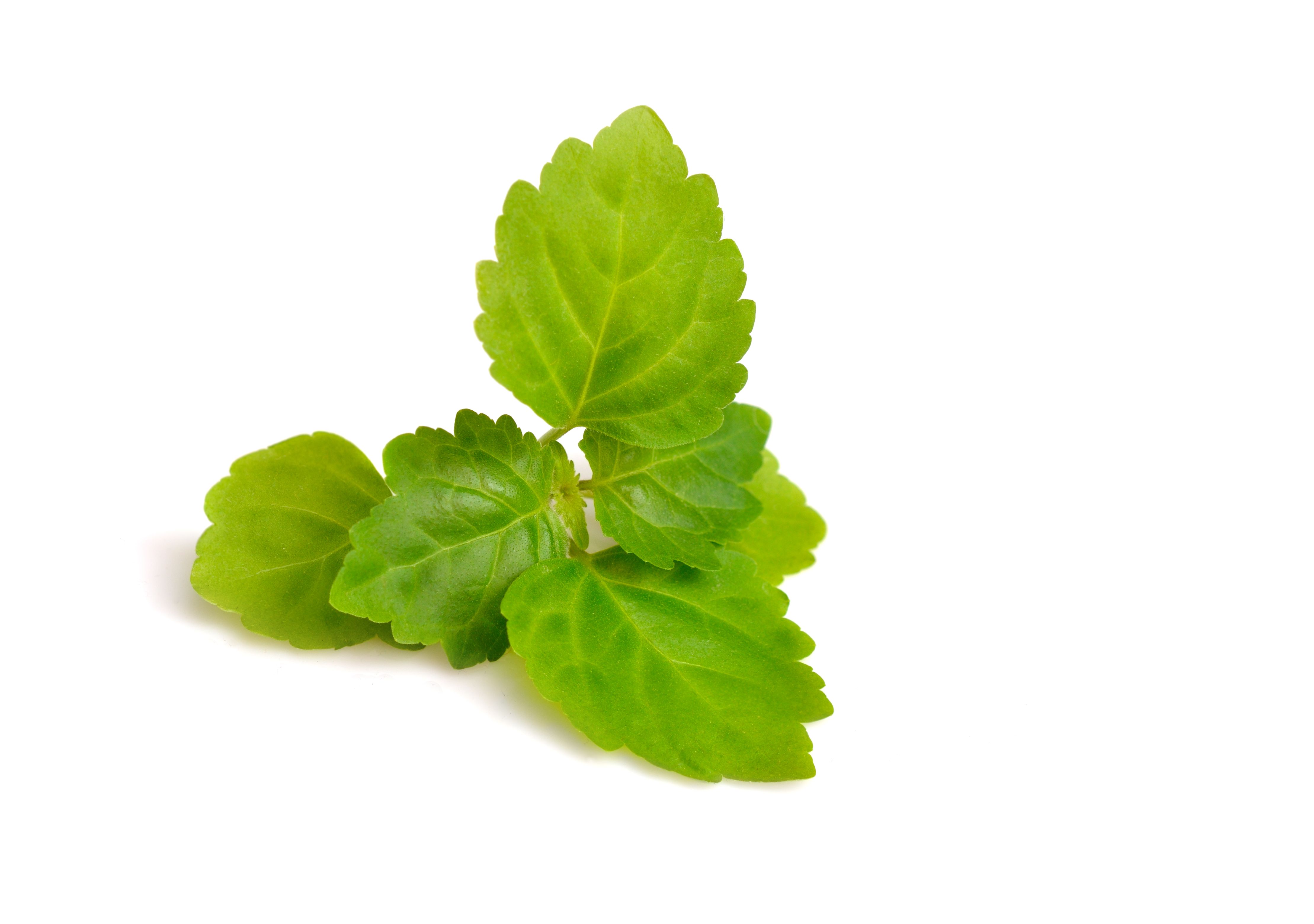
Patchoulol (also called patchouli alcohol) is typically the largest single component in quality patchouli oil. In commercial markets, values vary depending on origin, distillation quality, and aging.
As a general reference:
- Below 26% may indicate lower grade or immature processing
- 26–30% is considered standard commercial quality
- Above 30% is often regarded as premium perfumery grade
However, patchoulol percentage should not be viewed in isolation. A well-balanced chemical profile is just as important as the headline number.
Reading the Chromatogram
A GC-MS report usually includes a chromatogram—a graph showing peaks at different retention times. Each peak represents a specific compound in the oil.
The height and area of the peak correspond to the relative concentration of that compound. Larger peaks generally indicate higher percentages.
For experienced buyers or technical teams, comparing chromatograms across batches helps identify shifts in composition that may affect aroma performance.
Detecting Adulteration
Adulteration remains a risk in the essential oil trade. Synthetic patchoulol or blending with cheaper oils can distort the natural chemical balance.
GC-MS analysis helps detect irregular patterns, unusual compound ratios, or unexpected synthetic markers. A clean and consistent profile aligned with known Aceh patchouli benchmarks provides reassurance of authenticity.
This is particularly important for buyers supplying regulated markets such as the European Union or North America.
Batch Consistency and Long-Term Supply
Beyond a single purchase, GC-MS reports are valuable for monitoring consistency over time. Natural variations can occur due to harvest conditions or distillation parameters, but major deviations may indicate sourcing or processing issues.
Maintaining records of previous GC-MS results allows buyers to benchmark acceptable ranges and ensure continuity in fragrance formulation.

Questions Buyers Should Ask Suppliers
Rather than simply requesting a GC-MS report, buyers may consider asking:
- Is the analysis recent and batch-specific?
- Which laboratory performed the test?
- Are the results consistent with previous shipments?
- Is the oil aged, refined, or crude?
Clear answers to these questions build confidence and reduce risk.
Sajiva’s Approach to Quality Verification
At Sajiva, GC-MS analysis is an integral part of our quality assurance process. We verify patchoulol content, review full chemical profiles, and monitor consistency across batches before export.
By combining laboratory verification with sensory evaluation and controlled preparation, we aim to provide patchouli oil that performs reliably in professional fragrance and cosmetic applications.

Final Thoughts
Understanding GC-MS reports does not require a chemistry degree, but it does require attention to detail. For buyers of patchouli oil, this document serves as a powerful tool for evaluating quality, authenticity, and supply stability.
When properly interpreted, a GC-MS report transforms uncertainty into informed decision-making—strengthening both product performance and long-term sourcing relationships.
Interested in batch-verified Aceh patchouli oil with detailed GC-MS documentation?
Visit www.sajiva.co or contact our team to request technical data and samples.